Transparency note: This post was written with the support of AI tools to help with drafting and clarity. All ideas, edits, and final wording reflect my own voice, my values and align with my therapeutic approach and professional standards.
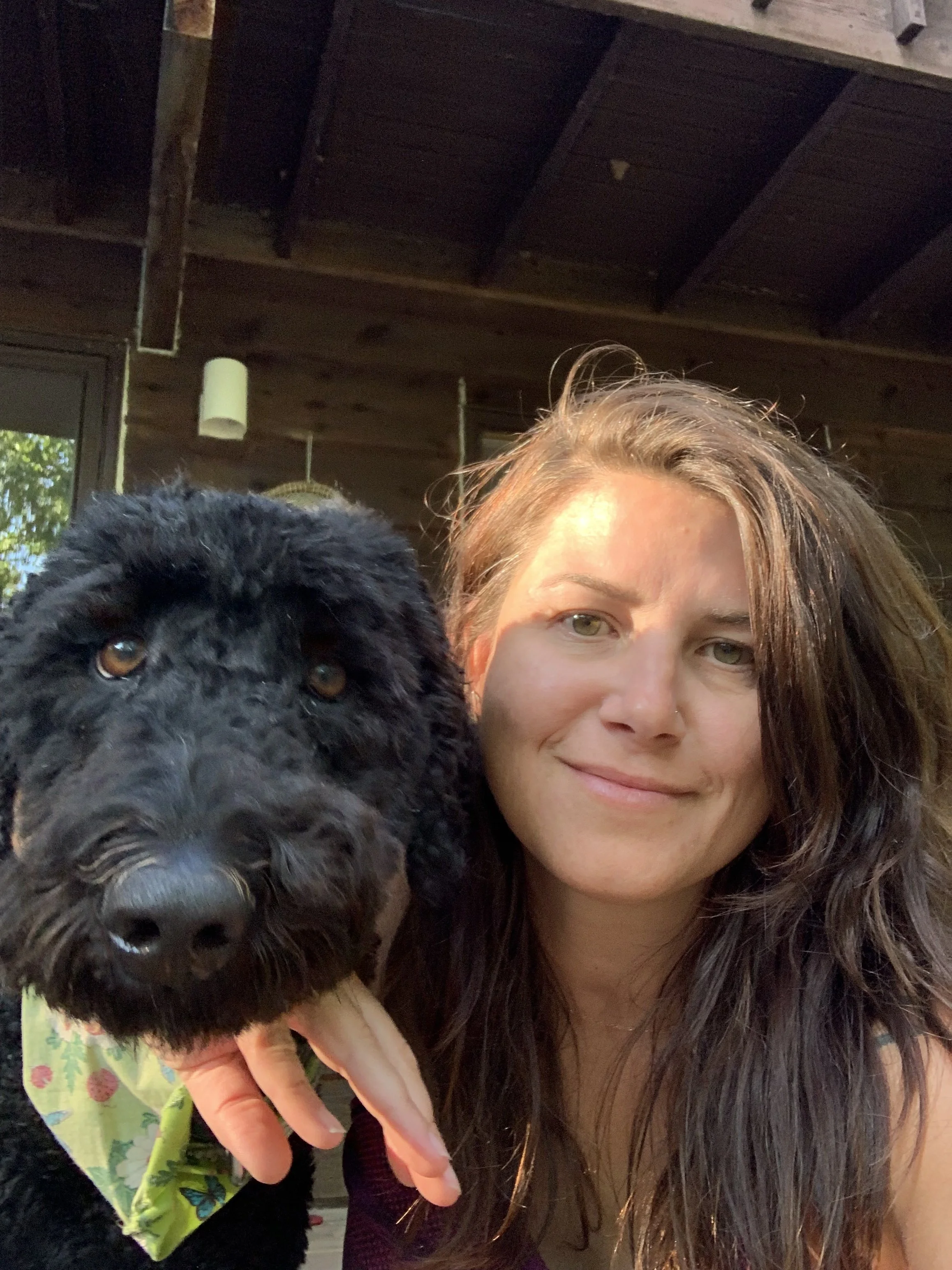
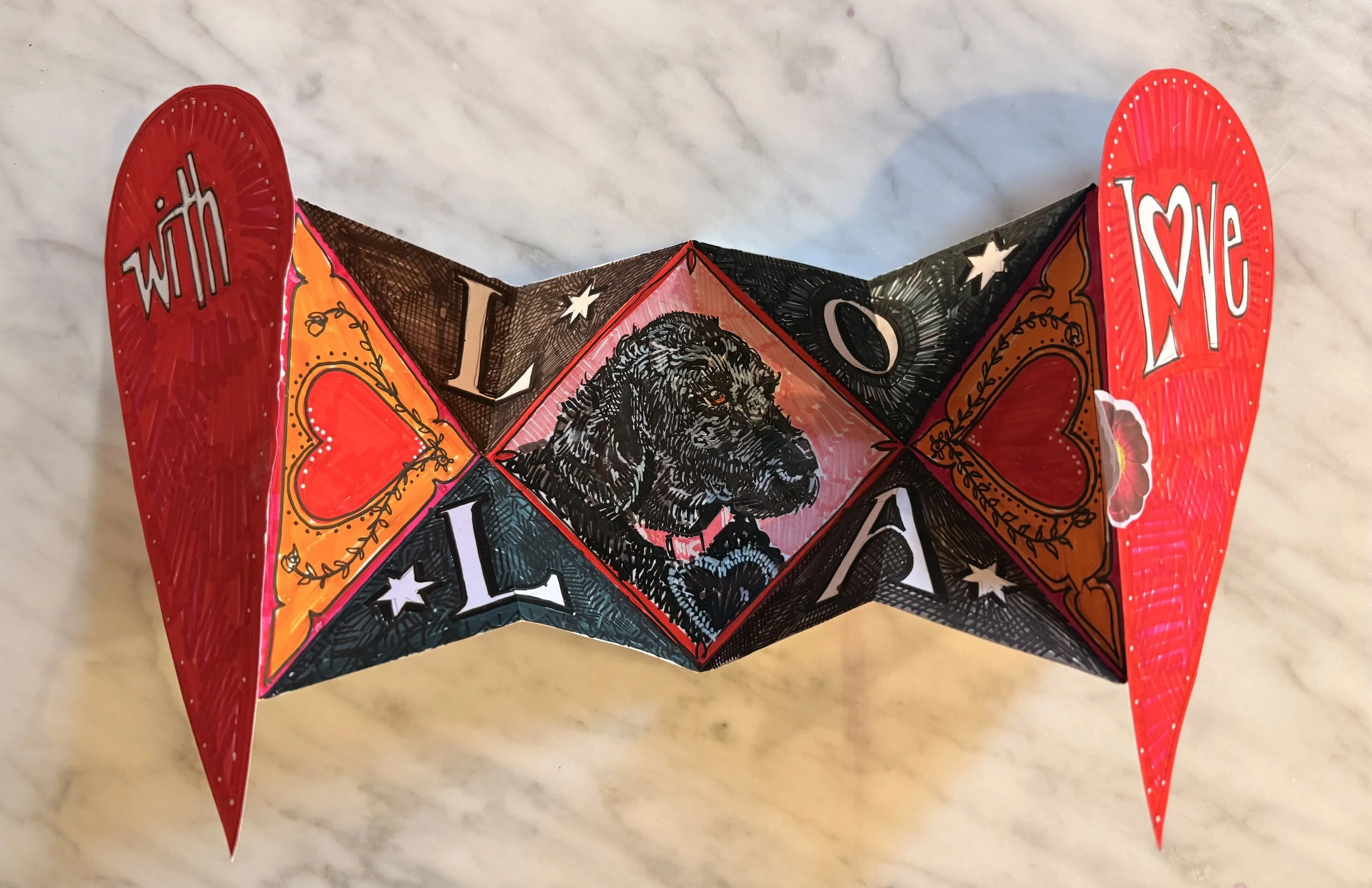
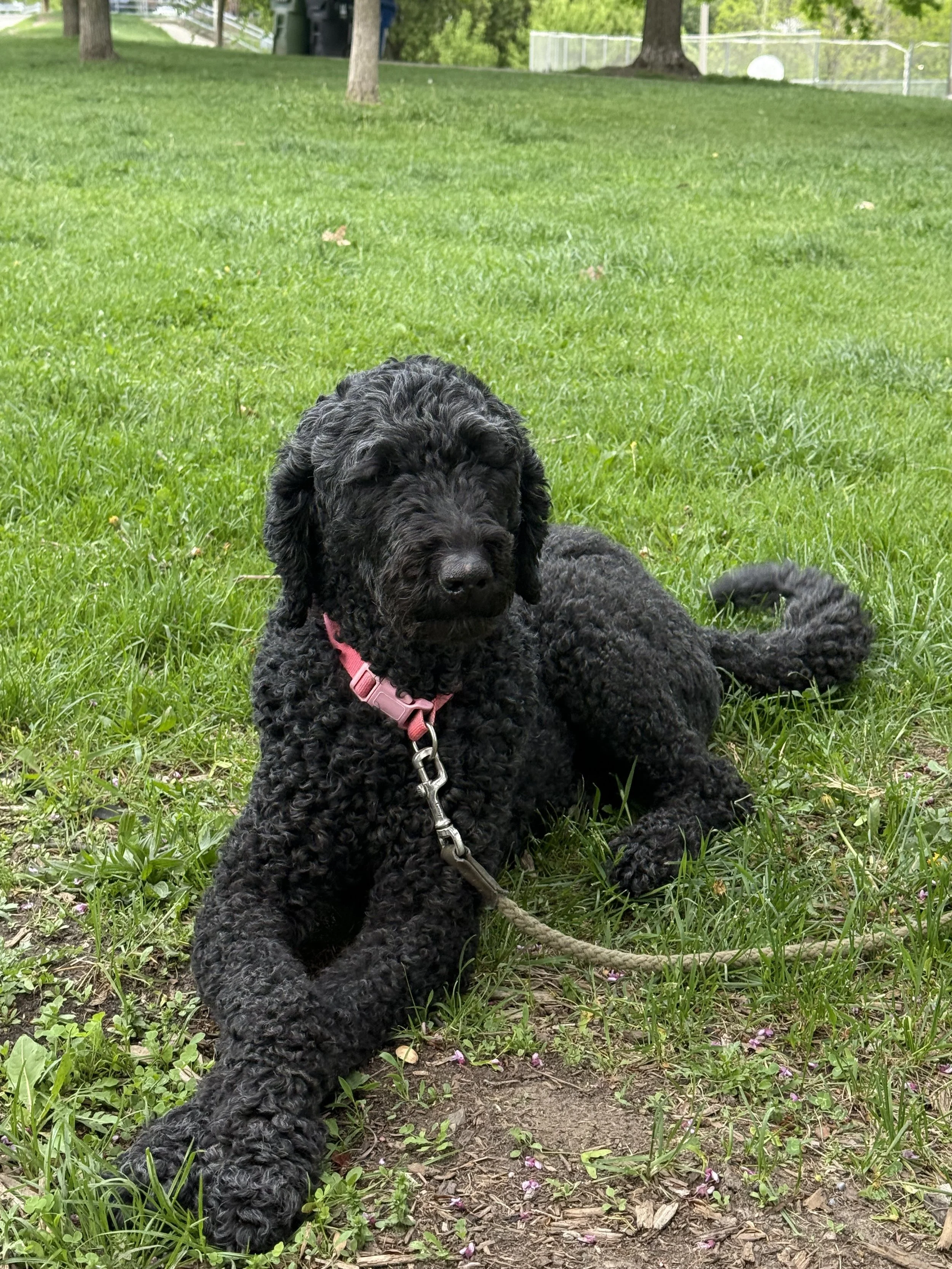
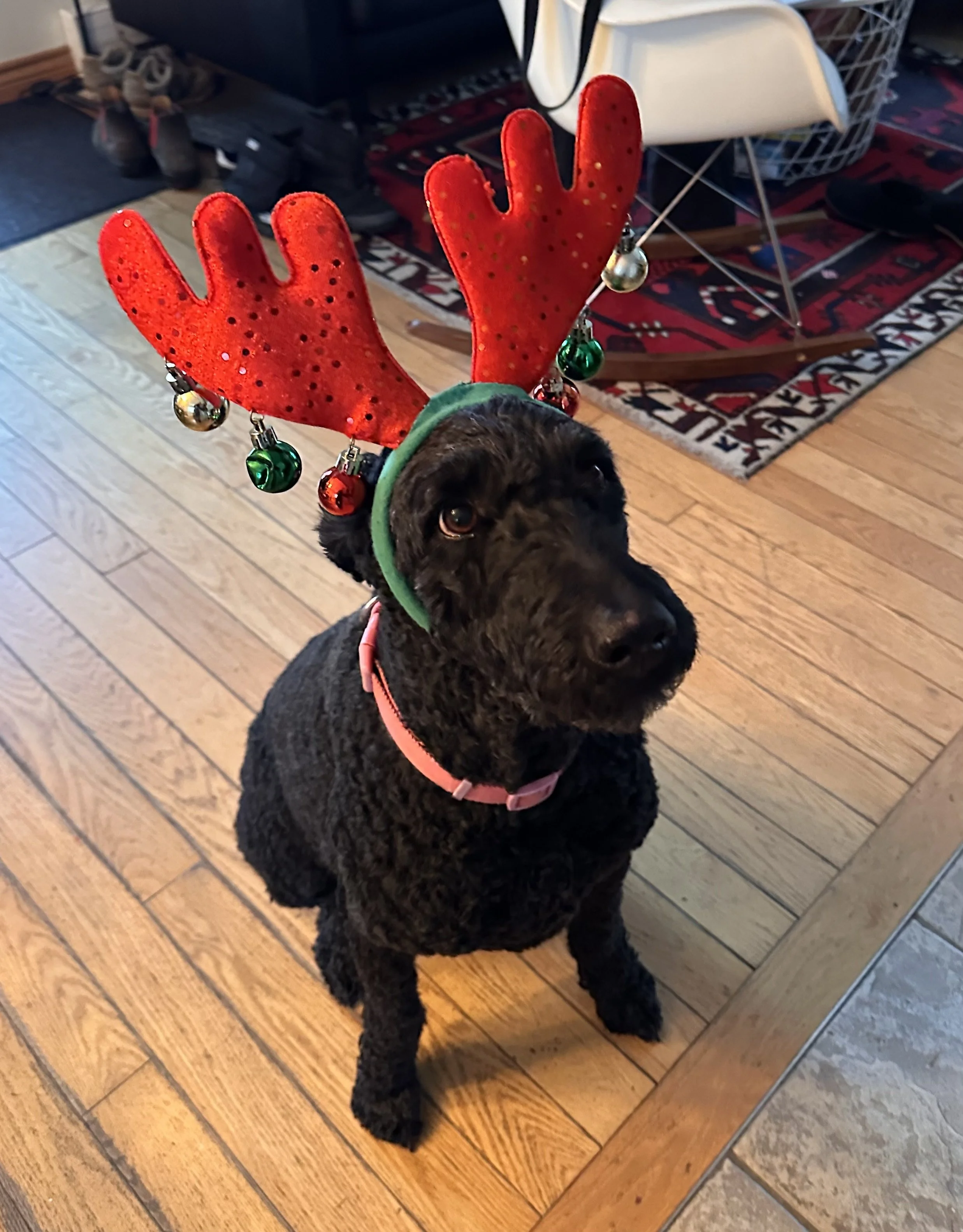
On Valentine's Day, we said goodbye to our Lola.
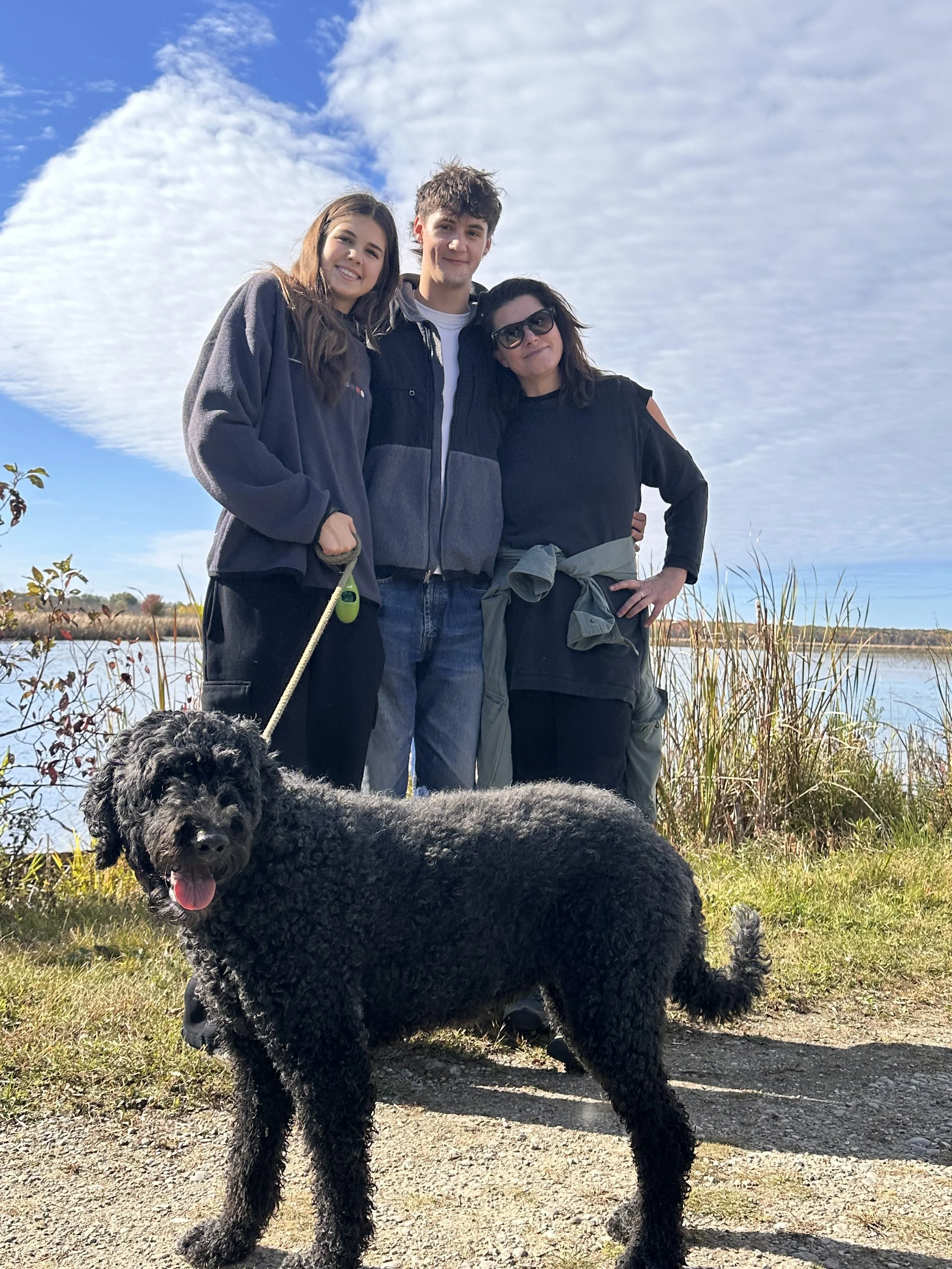
Writing this still feels strange. I'm used to helping people find words for their grief, but this time I was the one who needed it. Lola had been part of our home for 9 years and we all loved her so much. She was the perfect first dog for our family and had so much patience and grace. She taught us so much about love.
Lola started having seizures in November. Brain tumour. Near the end, she wasn’t even recognizing us and was not interested in going out for walks. The last two days before we lost her felt like a gift I didn't expect. She seemed a little stronger, a little more present, and then she came up the stairs, like she had decided she needed to be close one more time.
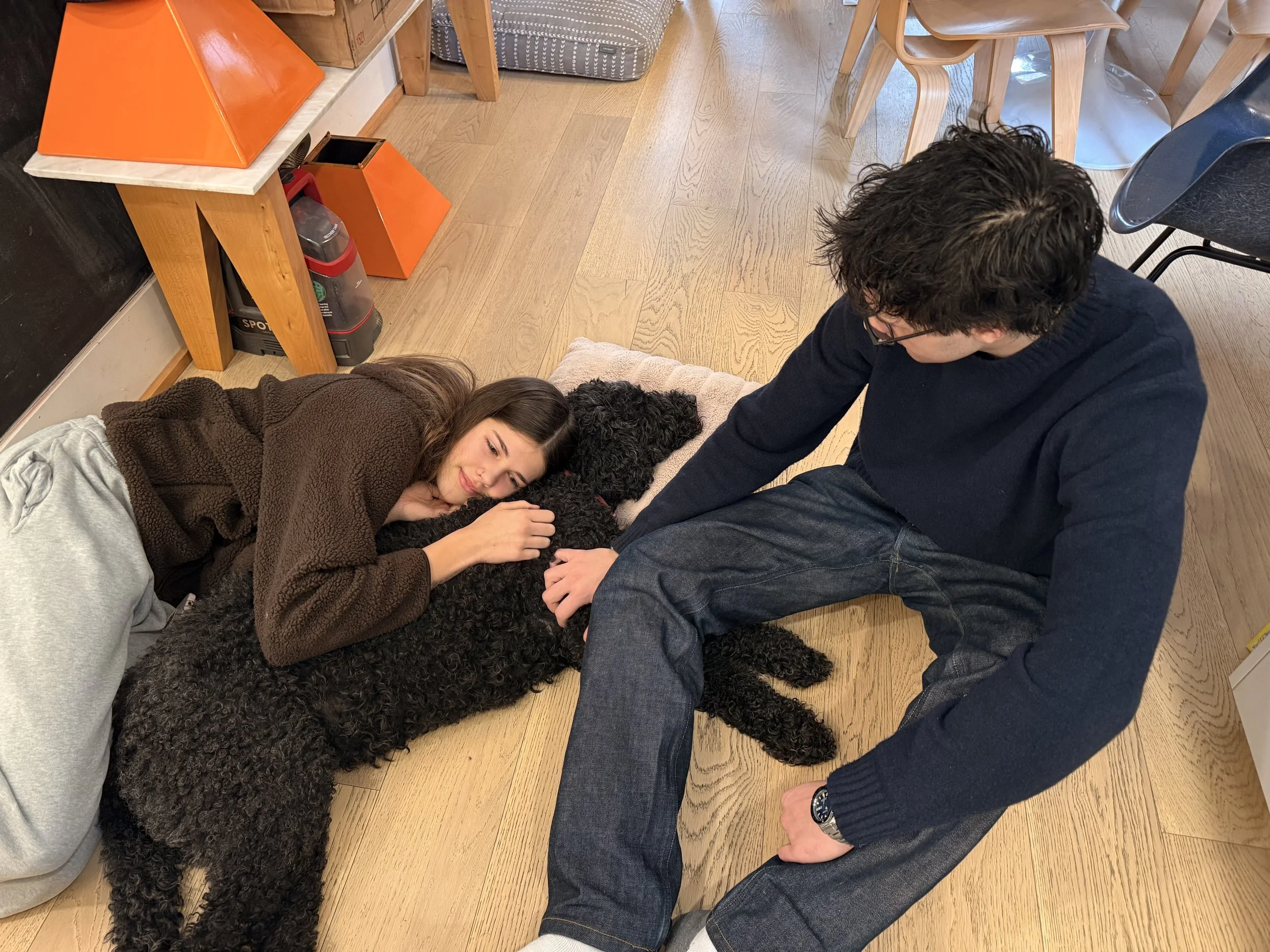
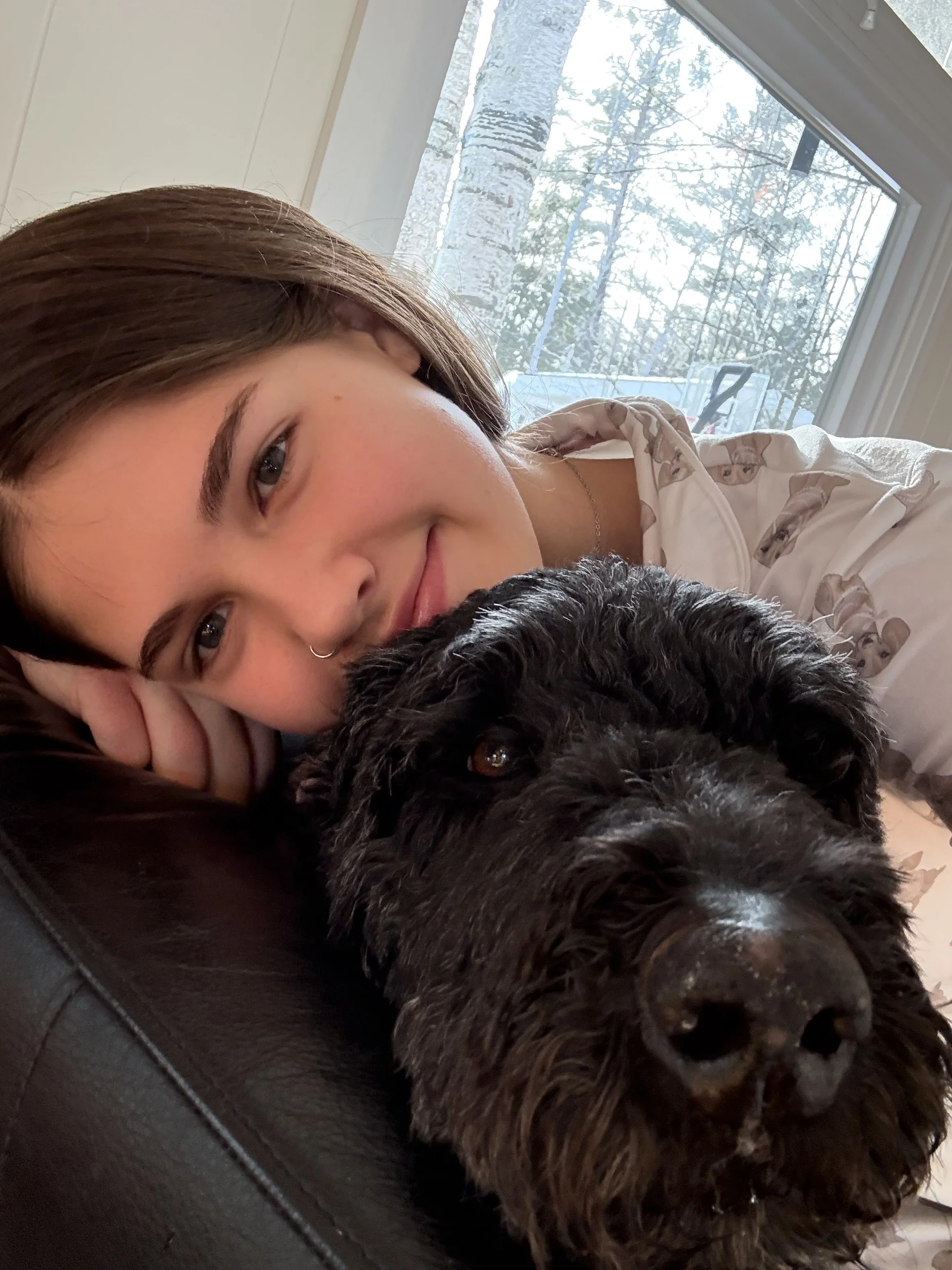
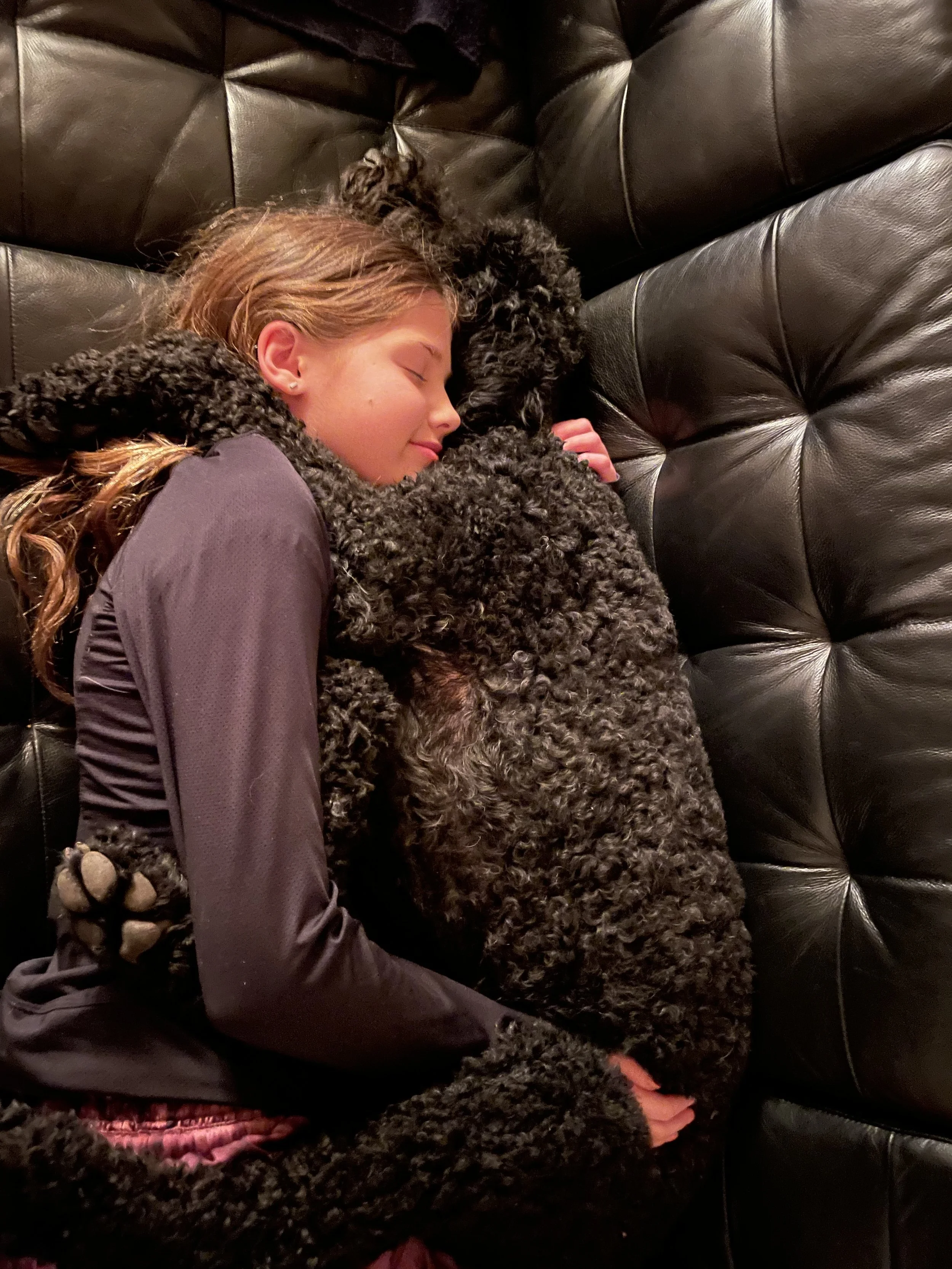
She climbed into bed and put her head on my chest, exactly the way she always had. Just her weight, her warmth, her breath slowing down against me, like it always did - regulating my nervous system simply with her presence. I stayed very still, trying to memorize the feeling without turning it into something final but it was her last gift.
What the Body Knows First
In those final days, grief arrived in my body before it reached my thoughts.
Heavy shoulders. A dullness in my chest that wasn't quite pain but wasn't nothing either. A kind of low-level exhaustion that sleep didn't touch. I looked fine, functioned fine and underneath that, something was quietly bracing.
This is what anticipatory grief feels like somatically. It doesn't always announce itself with tears. Sometimes it arrives as weight. As a subtle flattening of energy and the feeling of moving through your day with something extra you're carrying, something you can't quite set down.
I notice this in clients all the time. I recognized it in myself with some delay, the way we often do with our own experience.
What I kept coming back to was how much of her presence had lived in my body without me consciously tracking it. The particular weight of her head on my chest. The warmth of her pressed against my legs. The rhythm of her breathing, which had genuinely slowed my own. She had been a regulating presence for nine years. Her absence didn't just leave an emotional gap, it left a sensory one.
This is why pet loss can be so destabilizing. We don't just lose the relationship, we lose a body that was woven into our own nervous system. We lose a source of co-regulation we may not have even named as such — the morning weight on the bed, the sound of breathing in a quiet room, the particular comfort of being known by something that made no demands of us.
I let my body do what it needed to in those days. I just tried to stay close to what was true: that I was sad, that I was going to miss her, and that the missing had already started. Two months later and I still carry this heaviness, but it is slowly getting lighter.
What She Taught Me About Unconditional Love
Lola loved us on our worst days. The days I was distracted, short-tempered, too depleted to show up properly. She didn't hold any of it against me. Watching her, I kept thinking about how hard that is for most of us. Not loving others that way. Loving ourselves that way.
She never woke up and decided she wasn't enough. She never made herself smaller for fear of being too much. She didn't earn her place here — she just belonged, and she knew it.
Sometimes, I see the opposite of that in myself and in my clients, those who have spent years trying to justify their own existence, through achievement, through being useful, through staying small enough not to bother anyone. People who extend enormous grace to everyone around them and then turn around and speak to themselves in a way they would never speak to someone they loved.
Lola never did that. She was just fully, unapologetically herself, every single day. And she accepted me in the same way.
I don't think she knew she was teaching me anything. But I've been thinking about it since we lost her. About how much energy we spend trying to earn a sense of belonging that was never actually conditional in the first place. About how long it takes some of us to learn, really learn that we're allowed to just be here. Not improved, not further along, just here, as we are.
She knew that. Effortlessly, without ever having to work at it. I'm still working on it.
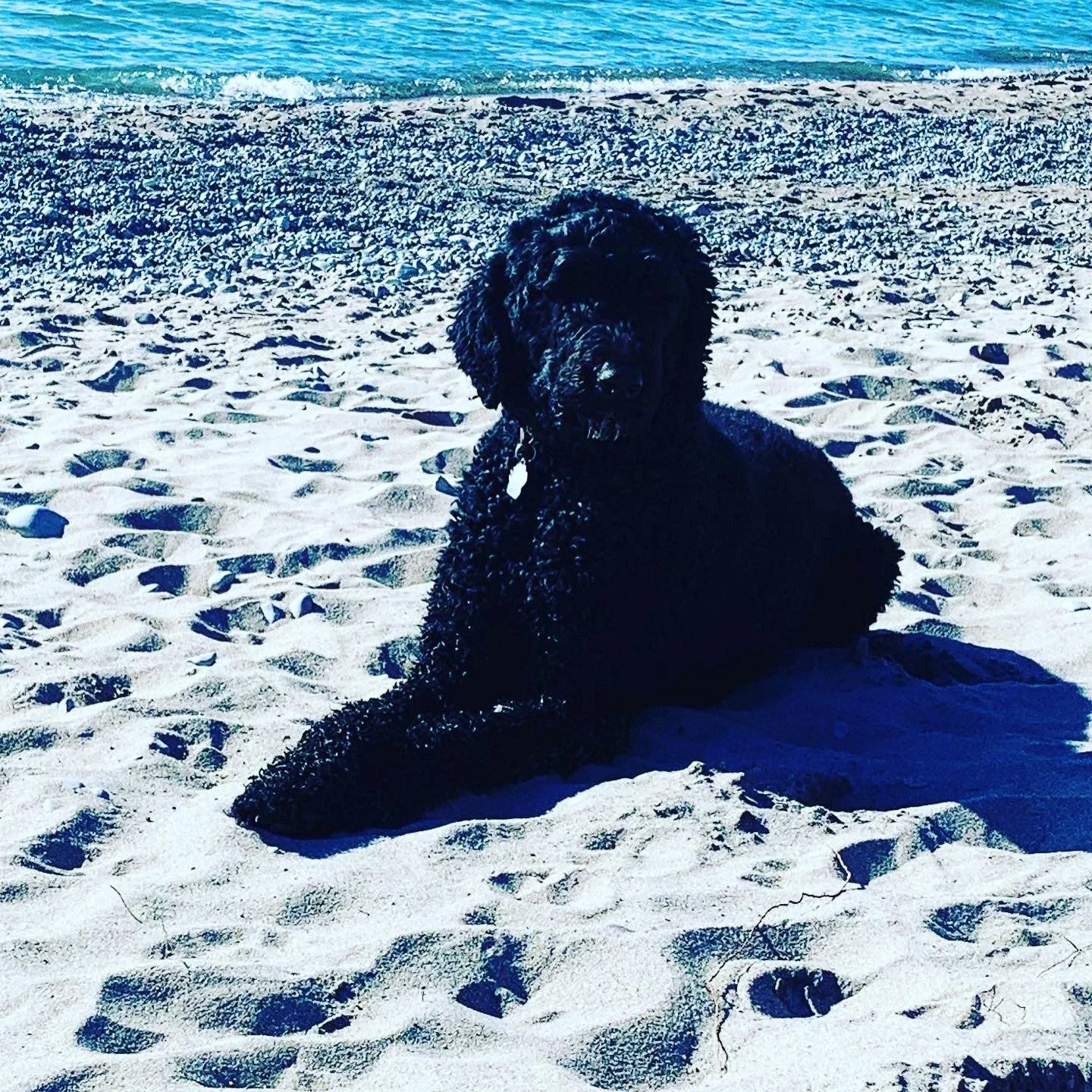
Lola loved the beach
What Animals Carry
There is a particular kind of grief that comes with losing a pet, one that can catch people off guard, even those who understand grief well.
That rawness makes sense. Animals live close to our nervous systems. They're present for the moments no one else witnesses: early mornings, late nights, the in-between spaces of daily life that hold so much of who we actually are. When we lose them, we lose a witness. Someone who knew our ordinary, unremarkable self and loved that version without hesitation.
What Stays
In the days since, I keep returning to gratitude. That she chose closeness at the end. That she climbed those stairs. That she put her head on my chest one more time, as if she knew.
The house feels different now. Quieter in a way that has nothing to do with sound.
But the love she brought here didn't leave with her. It shifted. It lives in how we move through this space, in the habits she shaped in us, in the way she quietly taught us to slow down and be present with each other, and with ourselves.
Thank you, Lola, for every quiet moment. For every walk. For every time you chose to rest your head on my chest.
You were deeply loved.